
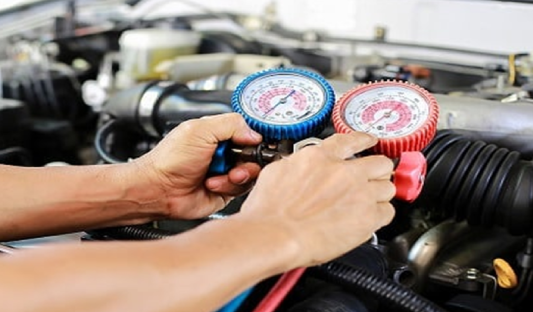
A Guide to Vehicle HVAC Performance Testing: Ensuring Comfort in Any Weather
When it comes to driving, comfort is key—and one of the main factors contributing to comfort is the vehicle’s HVAC (Heating, Ventilation, and Air Conditioning) system. Whether you’re driving in the heat of summer or braving the cold of winter, you rely on your HVAC system to maintain a comfortable cabin temperature. But how do we make sure these systems are up to the task? Through HVAC performance testing, of course!
At Fedrus Engineers, we specialize in testing and optimizing automotive HVAC systems to ensure they perform at their best, no matter the weather. In this blog, we’ll walk you through the essential steps and methods for testing vehicle HVAC systems, ensuring they provide optimal comfort in both hot and cold conditions. From the correct use of thermocouples to the best ways to test in extreme temperatures, we’ve got you covered with our expert testing methods.
Hot & Cold Region HVAC Performance Tests
First things first: there are two primary types of tests we need to focus on for an HVAC system—cooling performance and heating performance.
- Cooling Performance Test (Hot Region): This test is all about checking the air conditioning system. Can it cool the cabin efficiently? How quickly does it reach the desired temperature when it’s scorching outside? Testing in hot weather simulates real-world conditions where the HVAC system needs to cool down the cabin and maintain comfort in extreme heat.
- Heating Performance Test (Cold Region) : On the flip side, we also need to test how well the heating system works when temperatures dip. This is especially important for defrosting the windshield and ensuring the cabin stays warm and comfortable during those colder months.
At Fedrus Engineers, our skilled team handles both hot and cold region tests with precision to ensure your HVAC system is fully optimized.
Step 1: Picking the Right Thermocouple
Now, let’s talk about the tools we use for these tests—specifically, thermocouples. These are essential for accurately measuring temperature in different parts of the vehicle. But not all thermocouples are the same, so picking the right one is crucial.
- Type K Thermocouple : This is the go-to choice for most automotive HVAC tests. It works well across a wide range of temperatures (-200°C to 1372°C) and is perfect for measuring both hot and cold temperatures in the HVAC system.
- Type T Thermocouple : If you're looking for more precision at lower temperatures, Type T is your best bet. It has a smaller range (-200°C to 350°C) but is great when you need fine accuracy, like when testing heating systems in cold environments.
Fedrus Engineers ensures the right thermocouple is selected based on the specific temperature range expected during testing, guaranteeing precise and reliable results.
Step 2: Preconditioning the Vehicle
Before diving into the actual testing, we need to get the vehicle ready. Just like a person needs to warm up before running a race, the vehicle needs to “warm up” or “cool down” to properly simulate hot or cold conditions.
- Hot Weather Test : To test cooling performance, Fedrus Engineers parks the vehicle in a hot environment—think outdoor temperatures above 35°C/95°F, or better yet, using a climate chamber. We let the vehicle sit for about 30-60 minutes so that the cabin reaches a high temperature, mimicking the heat you’d experience in summer.
- Cold Weather Test : For heating performance, the vehicle is parked in a cold environment, like a refrigerated space around 0°C/32°F or outdoors in freezing temperatures. We allow it to cool down for at least 30 minutes to ensure the cabin and HVAC system are properly chilled before testing.
This preconditioning ensures that the system is tested under realistic conditions, giving us a true sense of how it will perform when you’re actually driving.
Step 3: Thermocouple Probe Placement
Here’s where the real action happens. Proper placement of thermocouple probes is key to gathering meaningful data. It’s not just about measuring the temperature; it’s about measuring it in the right spots to get a true picture of how the HVAC system is performing. Here are the key places to put those probes, all carefully handled by Fedrus Engineers:
- Air Vents (Cabin Air) : The most obvious place is in the air vents. We insert the probe into the vents to measure the temperature of the air being expelled into the cabin. Fedrus Engineers ensure the probe is directly in the airflow path for an accurate reading.
- Evaporator or Condenser (For Cooling): If we’re testing cooling efficiency, we place a probe near the evaporator coil to check how much the temperature drops as air flows through the system. If we’re testing heating, we position the probe near the condenser to measure how hot the air is before it enters the cabin.
- In the Cabin : To monitor the overall cabin temperature, we place a probe on the floor, near the dashboard, or at head height. This gives a realistic representation of what passengers are actually experiencing—not just the air coming from the vents.
- Defrost and Windshield : If defrosting is part of the test, we place a thermocouple near the windshield to track how fast the HVAC system can clear frost or condensation. This is a crucial test for those frosty mornings.
- Compressor & Other Components : Finally, Fedrus Engineers place probes near the compressor and other key parts in the engine bay. These components play a major role in how the HVAC system performs, and measuring their temperature helps assess the overall efficiency.
Other Considerations
- Air Ducts : We also measure the temperature inside the air ducts to see if air is being distributed efficiently throughout the cabin.
- Turbo (If Applicable) : For turbocharged vehicles, we check the impact of the turbocharger on the HVAC system. We place a probe near the turbo to see how it affects the incoming air and whether it has any impact on HVAC performance.
- Secondary Pumps & Ambient Temperature : If the vehicle has a secondary pump for circulating coolant or refrigerant, we monitor its temperature. We also measure the outside ambient temperature to compare how external conditions are affecting the system.
Conclusion: Why It Matters
Proper HVAC testing is more than just a checklist—it’s about ensuring that your vehicle can keep you comfortable in any season. At Fedrus Engineers, we take pride in using the best tools and techniques to ensure your HVAC system is fully optimized. From selecting the right thermocouples to carefully placing probes for accurate data collection, our engineers make sure your vehicle’s HVAC system performs efficiently in all conditions.
Whether you’re testing for cooling efficiency in the summer heat or ensuring your defrost system works in the winter, Fedrus Engineers guarantees reliable, professional testing that helps ensure comfort and safety in every drive. Let us take care of your HVAC system, so you can drive with confidence, no matter the weather outside.







No comment yet, add your voice below!