

Women Behind the Wheel - An Untapped Advantage
Introduction:
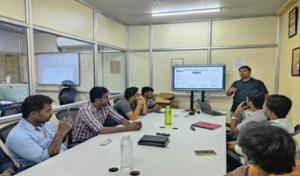
When I began searching for a topic for my blog, I eventually decided to focus on the perception of female drivers—and how others perceive them. After conducting interviews and collecting feedback from my colleagues, I came to some striking conclusions about how women are viewed behind the wheel.
One of my favorite thinkers, Activist, Vandana Shiva, once noted that the world has long been shaped from a male point of view. From the earliest stages of civilization, even the foundation of a country’s economy was redefined with men in mind. Commercial transactions—buying and selling—were valued more than the unpaid labor women did at home, such as cooking, cleaning, and caring for families.
So, if something as fundamental as the economy has been projected through a male lens, it’s no surprise that car manufacturing and design have historically not prioritized women’s needs. In that context, the way female drivers are perceived—and how little their preferences have shaped car design—is part of a much broader pattern.
Hard-Core Truths and Perceptions
Given the facts and viewpoints above, here are some Hard-core truths which—when seen from both male and female perspective—could spark fresh market potential for car manufacturers.
1. Full Women-Exclusive Cars May Not Be Commercially Sustainable
When Honda first launched a scooter designed exclusively for women, it initially captured a specific segment of the market. However, due to its practical design and comfort, many men began using it as well—and eventually became loyal fans. This example highlights an important insight: while the automotive market is still largely shaped by male preferences, incorporating features that cater to women can significantly broaden a vehicle’s appeal.
That said, developing a car solely for women may not be as commercially viable as creating vehicles with adaptable features that must be appealing to both genders. Rather than designing an exclusively female-focused car, manufacturers can find greater success by enhancing existing models with thoughtful additions or modifications that address women’s needs—without alienating male buyers. This inclusive approach is more likely to result in wider market acceptance and profitability.
2. Exclusive Over Inclusive: The Missed Reality in Designing for Women
When it comes to addressing the needs of female drivers, the focus is generally on subtle yet impactful design modifications rather than a complete overhaul of vehicle models. Enhancements in ergonomics and comfort—such as adjustable pedals, lower dashboard heights, improved seat alignment, and easier-to-reach controls—are designed to accommodate the average body proportions of women. These thoughtful additions not only improve usability but also act as strong selling points in a competitive market.
However, it’s important to note that no major overhauls or full-scale redesigns are typically made exclusively for female drivers. The automotive industry usually opts to integrate female-friendly features into existing models rather than developing entirely separate models for women.
3. Challenging the Bias: The Misconception of Female Driving Experience
One of the most persistent and disappointing perceptions held by many men is that women have less driving experience, especially when it comes to passenger vehicles. As a woman with substantial driving experience myself, I was genuinely surprised—and disheartened—to hear such assumptions still exist.
The reality is, with fewer women on the road, many become more cautious and deliberate in their driving. This often translates into slower speeds and more careful decision-making—traits that are unfairly judged as inexperience by some impatient male drivers. Rather than recognizing these habits as signs of responsibility or safety consciousness, the tendency is to dismiss them as weakness or lack of skill.
To me, this mindset reflects more than just personal opinion—it reveals a deeper sense of entitlement and superiority rooted in a male-dominated driving culture. It’s a form of conceit that has been normalized over time, despite evidence showing that women are often safer and more rule-abiding drivers and with fewer accident records.
4. Beyond Bias: Building Confidence Through Practice and Participation
Apart from the sense of entitlement often seen in male-dominated driving spaces, I believe there’s also room for improvement in terms of common sense, responsibility, and discipline among female drivers. These qualities don’t appear overnight—they develop through regular practice, exposure, and real-world experience on the road.
The key to fostering this growth is encouragement and participation. By motivating more women to take up driving, we not only help build their confidence and skills but also contribute to shaping a more balanced, responsible driving culture overall. In turn, this can support the expansion of the female driving market—creating demand for products, services, and vehicles that reflect their preferences and needs.
Conclusion: A Shift in Perspective, A Step Toward Progress
Designing for women in the automotive world shouldn’t be treated as an afterthought or a marketing checkbox. While the industry has made progress by integrating inclusive features into existing models, the deeper issue lies in the lack of exclusive consideration for female drivers’ unique needs and preferences.
Real change begins with challenging outdated perceptions, encouraging more women to drive, and involving them in design decisions—not just as users, but as innovators and contributors. By doing so, manufacturers don’t just make better vehicles; they tap into a powerful, loyal, and growing segment of the market.
The future of driving is not male or female—it’s inclusive by design, and that inclusivity starts with understanding that “one size fits all” doesn’t fit everyone. It’s time the automotive industry truly listened to the voices of women—because when they do, everyone benefits.





No comment yet, add your voice below!