
The New Road Ahead: Inclusive Car Design Inspired by Women on the wheels.
Introduction:
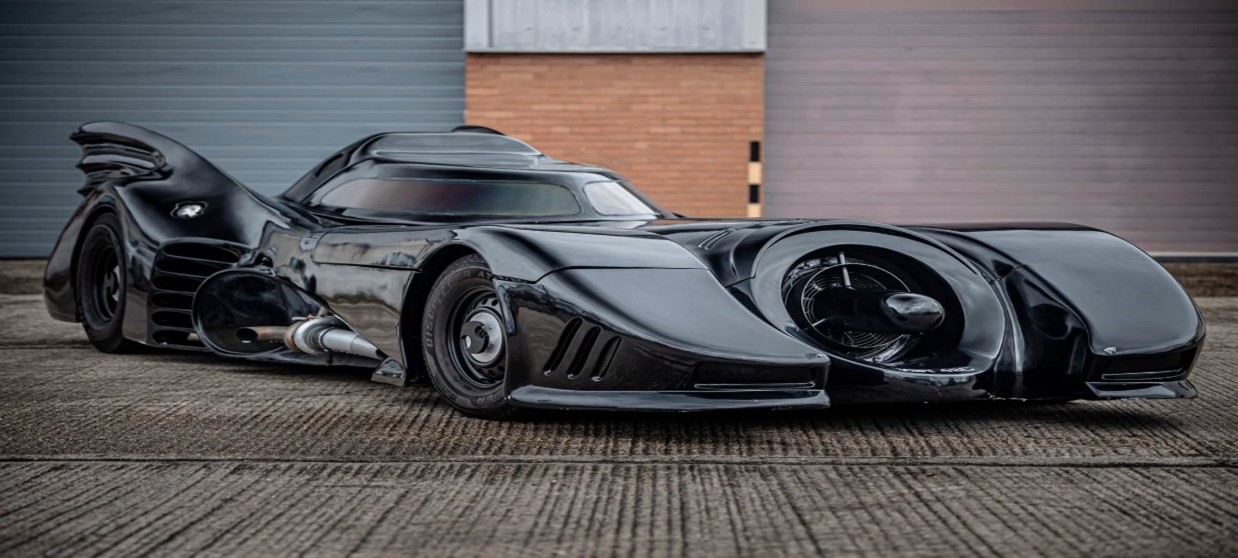
If you asked most people what their dream car is, you'd probably hear names like Lamborghini, Porsche, or some fancy luxury brand. But me? I'd pick the Batmobile — the Tumbler, to be exact. The one that jumps, flies, and basically crushes any road that dares to challenge it.
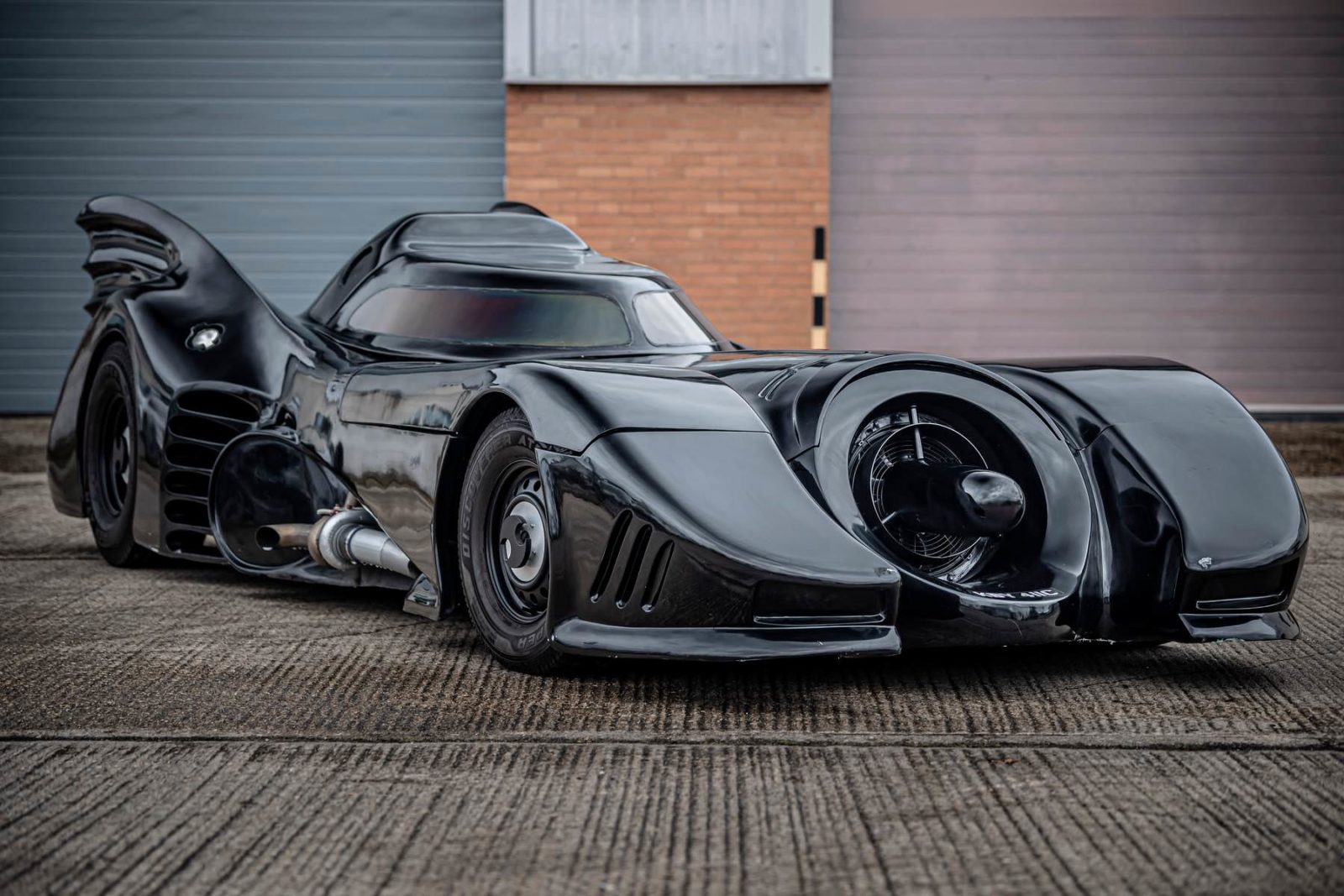
Honestly, there are days I wish I could just fly over traffic or drift sideways into a tight parking spot. That sideways-driving feature? Absolute game-changer. Oh, if only real cars had that!
But coming back to reality — and building on my earlier blog, "Women Behind The Wheel – An Untapped Advantage" — I started thinking more seriously about what features could actually make driving better for women. So, I did a small survey to hear directly from female drivers about their experiences and what they'd love to see changed or added in cars.
The responses were wide-ranging — from smoother handling and better seating to smarter safety and simpler infotainment. A few points really stood out, and they made me want to push even harder for thoughtful, inclusive design.
Here are the top suggestions that came up:
1. Ergonomic Seating & Controls:
One of the first things that stood out in the survey was how many women—about 66.7%—said they use their cars mainly for commuting to work or school runs. Sounds routine? But what's not so routine is the effort it takes just to get a clear view of the road. Many women mentioned how they constantly have to adjust the seat height, and some even carry extra cushions just to feel more comfortable and confident while driving. Most cars are still designed with the "average male" in mind. Only one in ten test drivers is a woman—so naturally, the results skew toward what works best for Adam, not Eve. Solution: Seat adjusters in all dimensions can be more considerate keeping women in mind.
2.Safety Should Feel Smooth and Effortless:
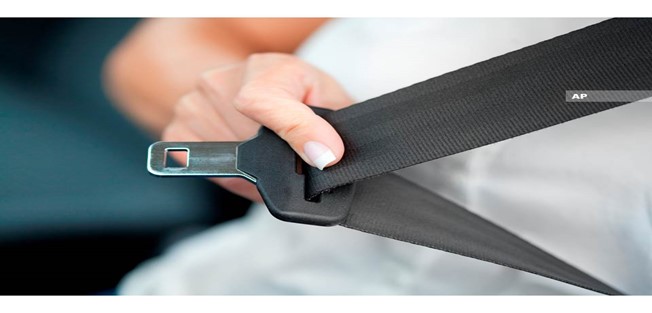
Another big concern was the seat belt. Something so basic, yet it causes real discomfort for many women. Most seat belt pivot points are positioned so high that it becomes another chain wrapping around their neck. For many women, this results in the belt cutting uncomfortably across the neck, acting more like a sharp edge than a safety device. Not the first time that a she faces such an irony, right? The issue becomes even more pronounced for women with heavier busts, those who are obese, or pregnant drivers, where the seat belt presses tightly against the chest or stomach. Something as simple as an adjustable belt height or cushioned belt material could significantly improve comfort and safety for all body types—making every drive feel more inclusive and effortless.
3. Accessible Utility Tool:
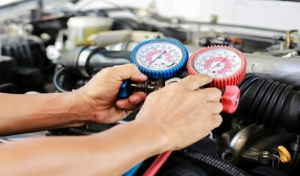
Next in ranking the top three priorities from Eve's perspective is the need for more accessible and intuitive car tools. Many women drivers expressed using Lightweight tools jacks that doesn't require a gym membership reduce physical strain. Replacing the old school manual booklet with user-friendly video guides or interactive infotainment-based instructions could make a world of difference. On the safety front, including temporary Tyre inflators as part of the standard toolkit can help drivers manage roadside emergencies with more confidence and less dependence.
4. Convenient Comfort Features:
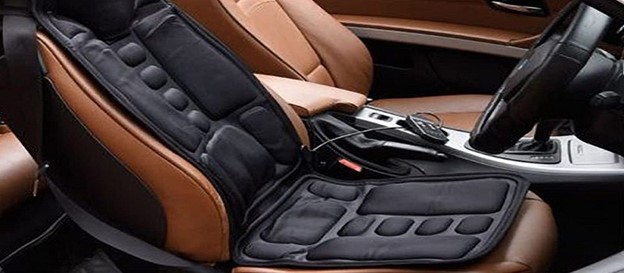
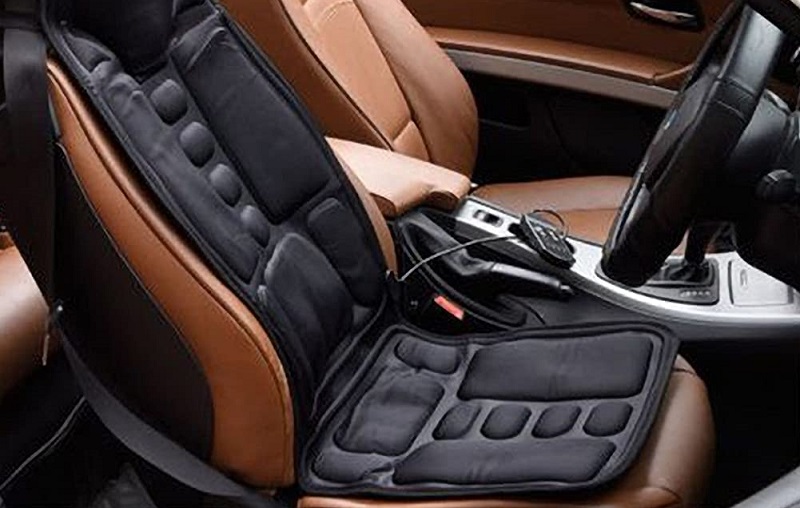
This one is close to my heart—and something I truly wish every car manufacturer would universally adopt. Comfort isn't just about aesthetics; it's about making long hours behind the wheel less taxing. Features like seat ventilators are a blessing, especially in hot and humid cities like Chennai, where even a short commute can feel exhausting. Going a step further, redesigning seats to include subtle massagers or gentle warmers can offer much-needed relief—particularly during those shark week, days. Small additions like these don't just enhance comfort; they acknowledge real, lived experiences that many women navigate silently.
5.Smart Infotainment Systems & Interior Design:
Ease of use and thoughtful design were recurring themes in the responses I received. Voice-activated infotainment systems with minimal screen clutter were among the most requested features—designed to reduce distraction and keep drivers focused. Many women also emphasized the need for confidence-boosting tech like 360° cameras, blind spot detection, and voice-guided parking assistance. Beyond functionality, interior layout mattered just as much. Hidden compartments for handbags, secure storage for essentials, and cleaner dashboard designs were frequently mentioned proof that thoughtful design isn't just about luxury, but about listening to real needs and daily habits.
Conclusion:
After hearing all these insights, one question echoes in my mind—
"Why separate the genders? isn't driving common experience? " Yes, driving is universal. But how we experience it isn't always equal. This blog isn't about dividing drivers—it's about highlighting real, lived experiences that often go unheard in mainstream design rooms. It's about saying, "Hey, your comfort matters. Your safety matters. Your voice matters."
When we start designing cars that truly consider the needs of all drivers—not just the average male prototype—we don't just make driving better for women. We make it better for everyone. Because at the end of the day, a great car isn't just one that performs well—it's one that understands who's behind the wheel.
END





No comment yet, add your voice below!